
To become the home of high value of manufacturing, serving the global market by 2020—that is the vision of the City Government of Mandaue in Cebu. As one of 43 local government units (LGUs) in the Philippines that have been able to put the Institute for Solidarity in Asia’s (ISA) Performance Governance System (PGS) into action, there are many lessons about sustainability that can be learned from its experience.
We sat down with Mandaue’s chief of staff Elaine Bathan, and vice mayor Carlo Fortuna to talk about how the city is faring in its PGS journey under a new administration.
Big changes
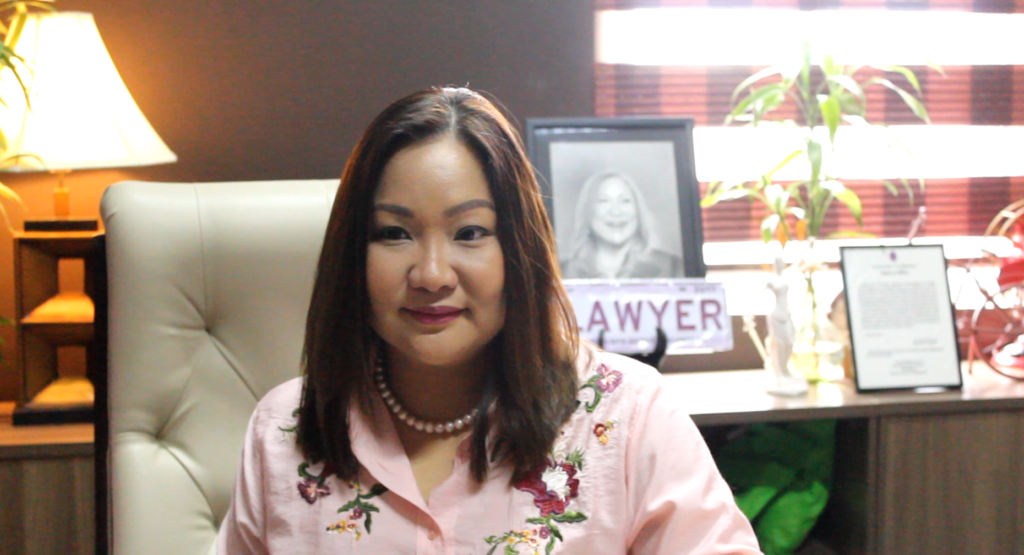
Mandaue City’s Chief of Staff, Atty. Elaine Bathan shares her perspective on the PGS.
Bathan, who is corporately trained, had her reservations about PGS and whether it would be beneficial to the LGU to keep using it as a framework for city governance. But PGS leaders within city hall moved quickly to ensure continuity. “Prior to July 1, 2016, Mandaue’s outgoing mayor and Office for Strategy Management (OSM) were very helpful in introducing us, the incoming officers, to the current position of the city,” says Bathan. “They told us about PGS and its impact on the city through department reports.”
From there, Bathan took it upon herself to enroll in ISA’s governance boot camp, held in the ISA partner municipality of Mariveles in Bataan. “It was for me to personally learn—without any bias.”
Once she had bought into the vision—Mandaue sees itself becoming the home of high value manufacturing, serving the global market by 2020—Bathan became excited and determined to promote Mandaue’s 2020 vision. “It’s a big leap on our part, because in the Philippines we have yet to clearly define what high value manufacturing is,” Bathan shares. “We’re lucky to have partners in the University of San Carlos and other sectors to guide us in [defining] this.”
Mandaue was recognized by ISA and showcased as an “Island of Good Governance” in two APEC summit events in Manila in 2015 for its success in bringing local businesses together to showcase high value products under the #iammandaue brand. But Bathan notes that there is still more to be done in terms of educating investors in the city’s potentials. “We have to strike a balance between setting standards and rehabilitating our environment.”
Big results
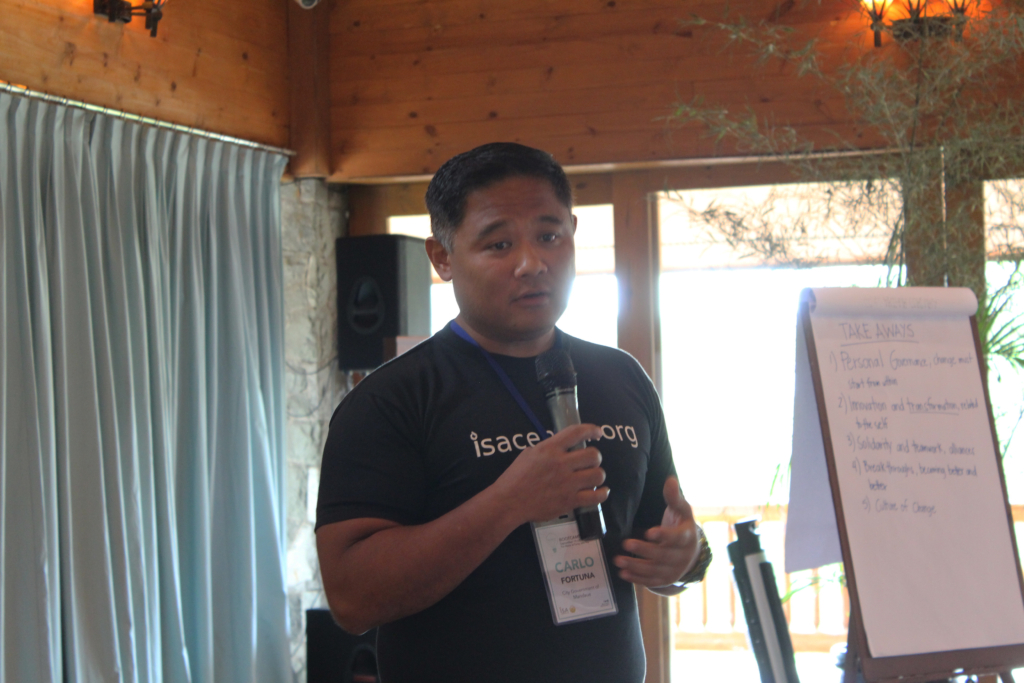
Mandaue City’s Vice Mayor Carlo Fortuna gives a speech to his fellow boot campers.
Vice Mayor Carlo Fortuna, who started out as a city councilor and who has been in government service for 15 years, agrees that PGS is still a work in progress. “We encountered the usual challenge: buy-in,” says Fortuna. “A new system was introduced that required more time and attention, and those in the service had reached a comfort level within the old system.” Cascading PGS to the various offices was also a concern.
But once they began to use the system, it paved the way for positive results. “The important thing is to level up performance,” says Fortuna. “The long-term benefit is that with everybody in the organization understanding the goal, there’s more accountability and motivation.” With city hall employees understanding their roles and contributions to the vision, Mandaue’s local government found new inspiration to do its work well and learned an important lesson. “It’s not just about results,” Fortuna reflects. “It’s also about understanding that problems can’t be solved by one person or office, but by people collaborating.”
This newfound solidarity within city hall translated to more people pitching in on the details of achieving the vision. It included solving visible issues like traffic, for which the city needed to have more eyes on the road without necessarily sending more people out. “The city is a gateway for people coming in and out of Cebu to use the airport,” says Fortuna. “It is truly a challenge to manage traffic, so we started by creating a monitoring system that went through the standards of PGS.”
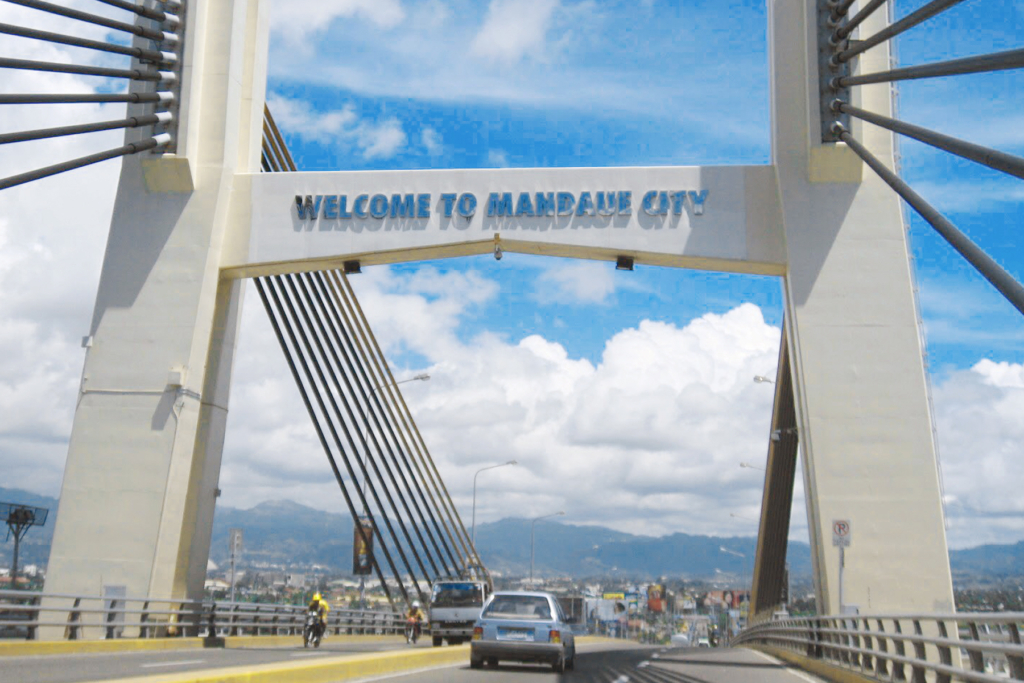
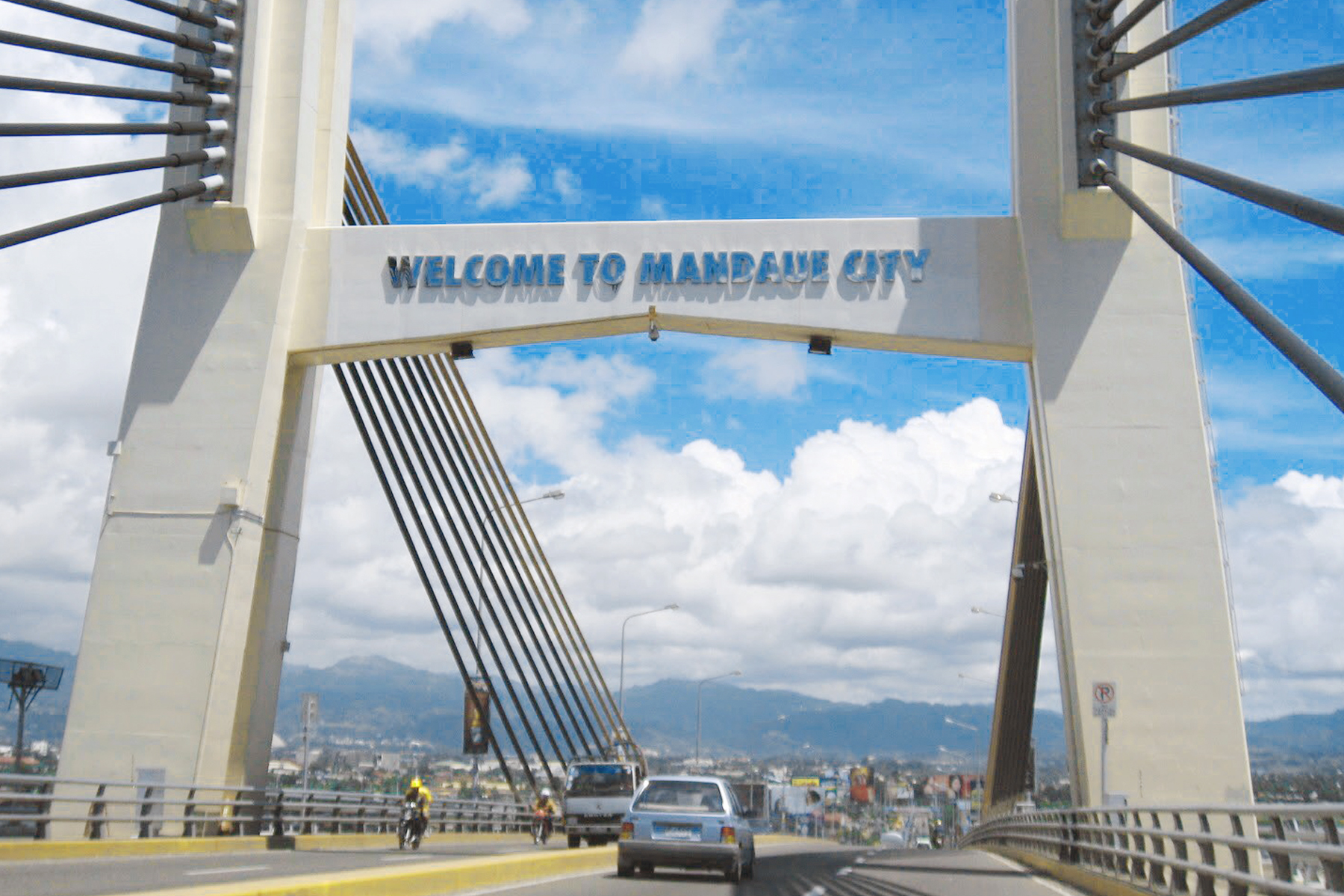
Signage upon entering the City of Mandaue. Photo from ivoteph.com.
Improving the city’s financial condition was another everyday issue solved through PGS. Encouraged to apply strategic thinking, a group within city hall came up with the idea for a Geographical Information System (GIS) that allowed city hall to map out the entire city, and identify and track revenue generating properties. “With PGS, you empower people in the organization to contribute their ideas,” Fortuna says. “We got everybody on board, which resulted to these breakthroughs we have seen in Mandaue.”
Major changes in human behavior within city hall had a ripple effect. To truly transform the locale, Mandaue had to involve civil society and the private sector, for whom city improvements used to be a distant dream. “They never expected anything like it,” says Fortuna. “Because the local government leveled up, our business partners also tried to keep pace. They’re inspired and they see us as proof that government can be trusted.”
Fortuna believes that for as long as desired results continue to show, investors will stay interested in Mandaue to help the city establish its place in high value manufacturing.
“The goal of every local government unit is to improve its economy and the lives of its constituents—to attract more investors, and to make its city better than what it is today,” Bathan adds. “Through the PGS, you will be guided and given the opportunity to see what the strength of your LGU is.” For Bathan, it is important to subscribe to a program that maximizes resources and allows everybody to grow together, not just as an LGU but as a people.