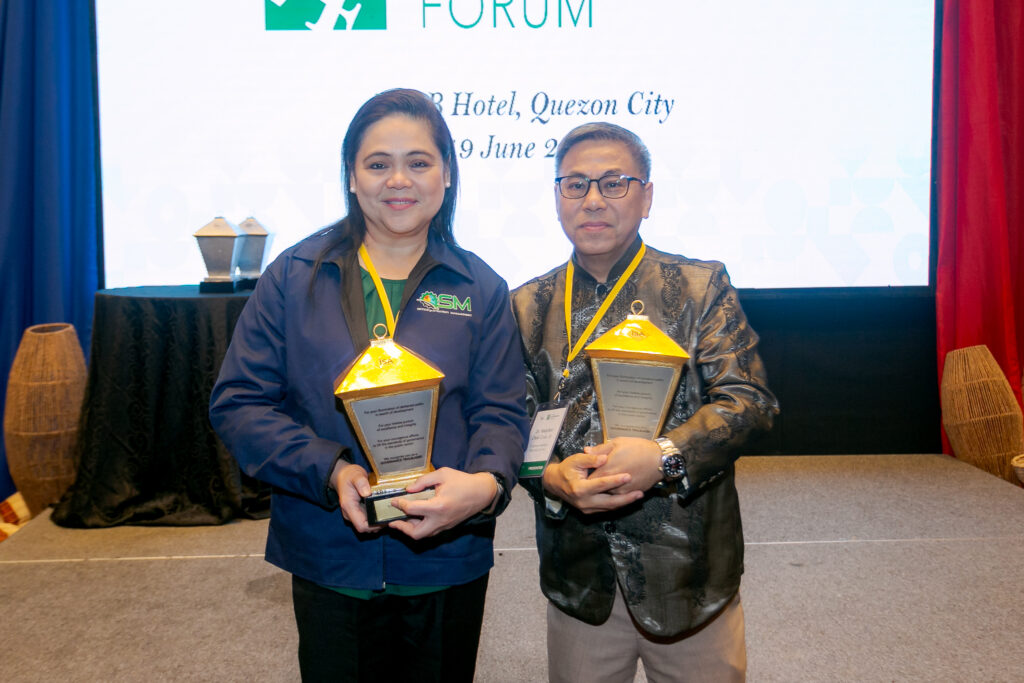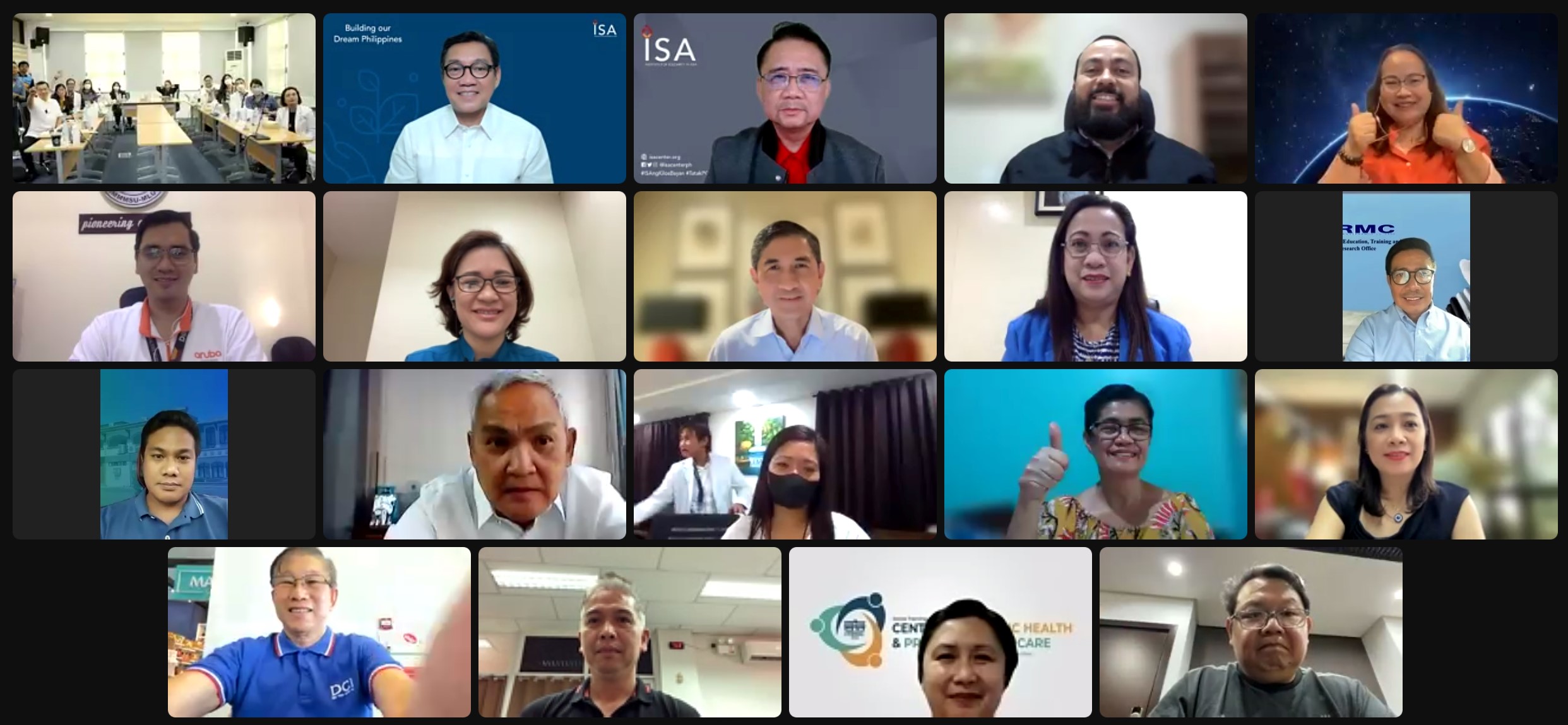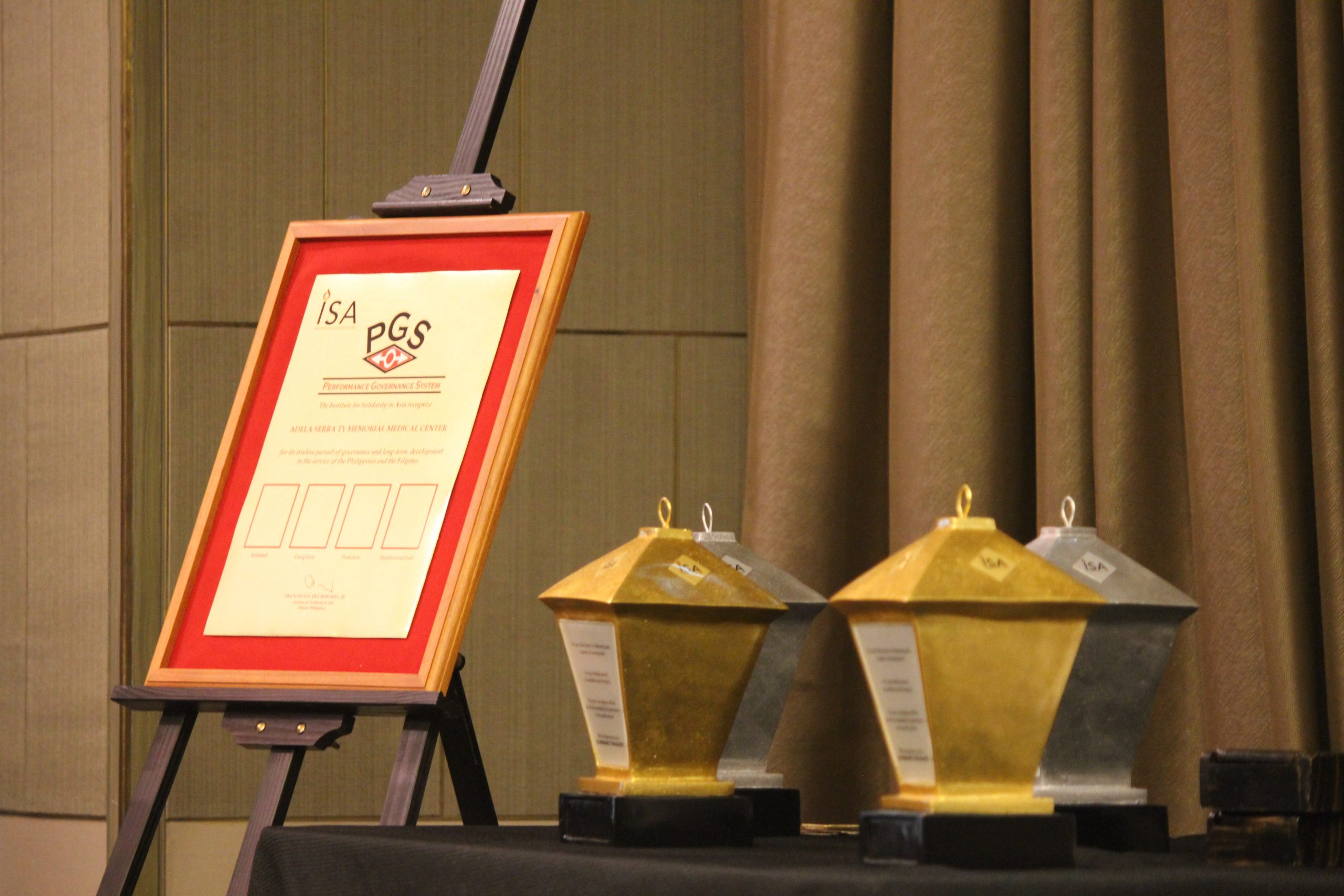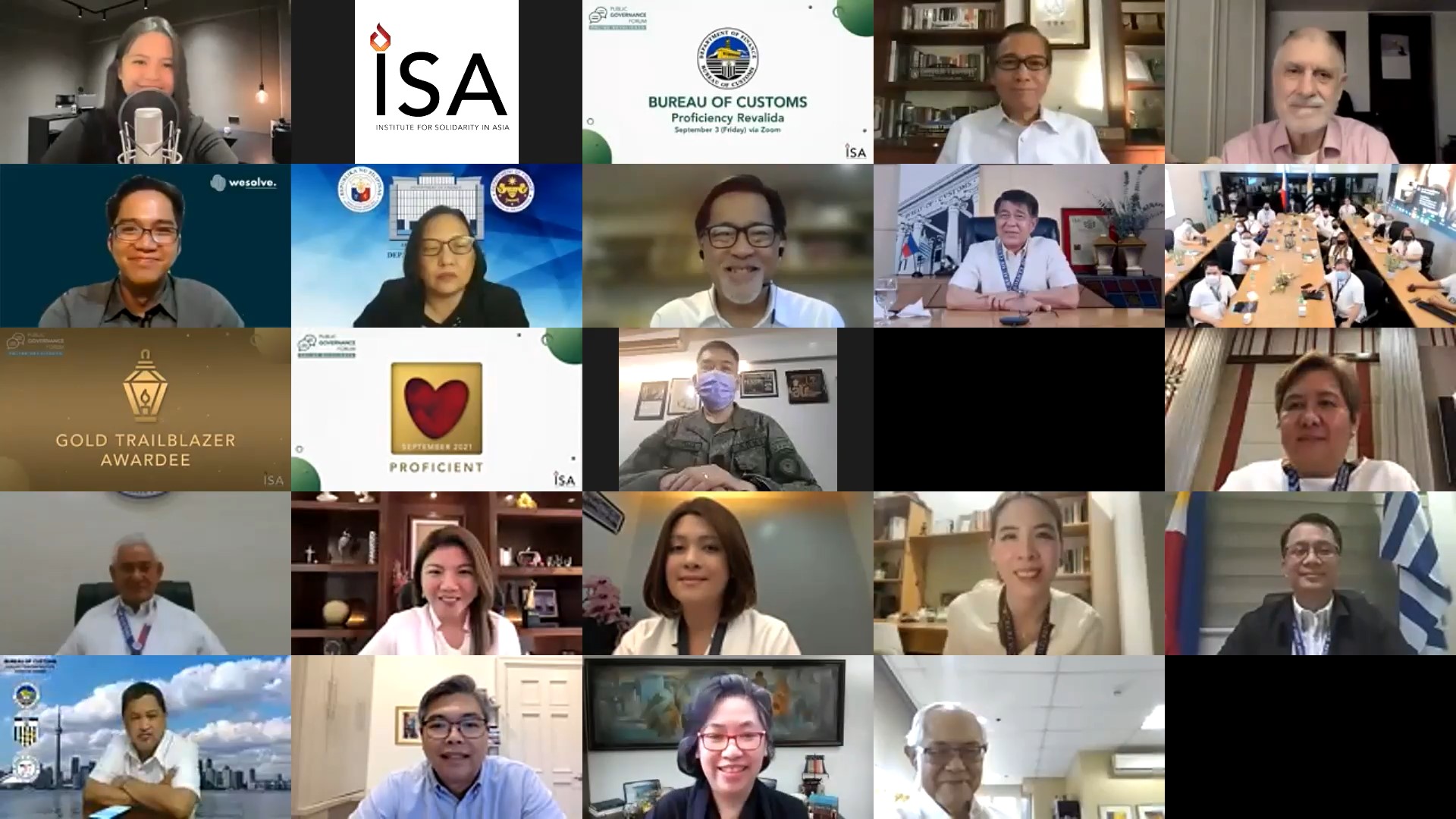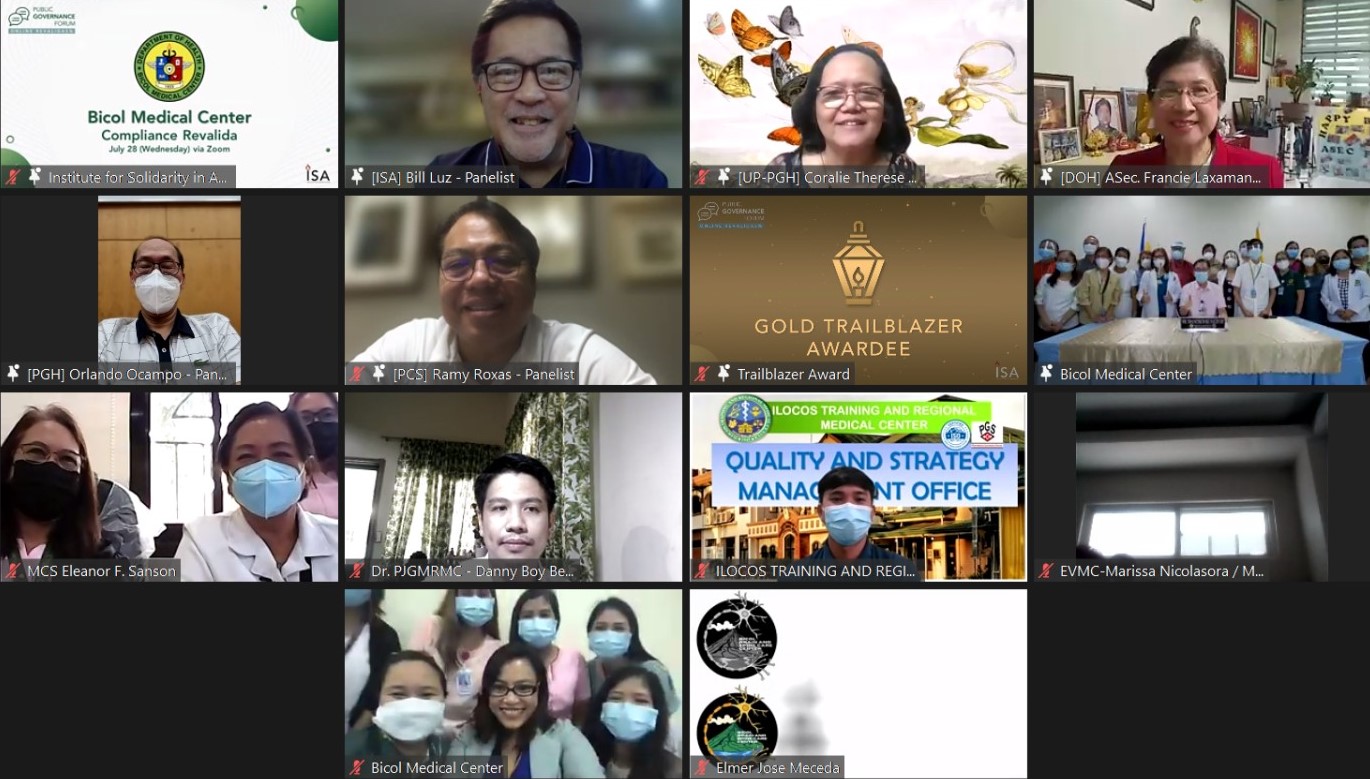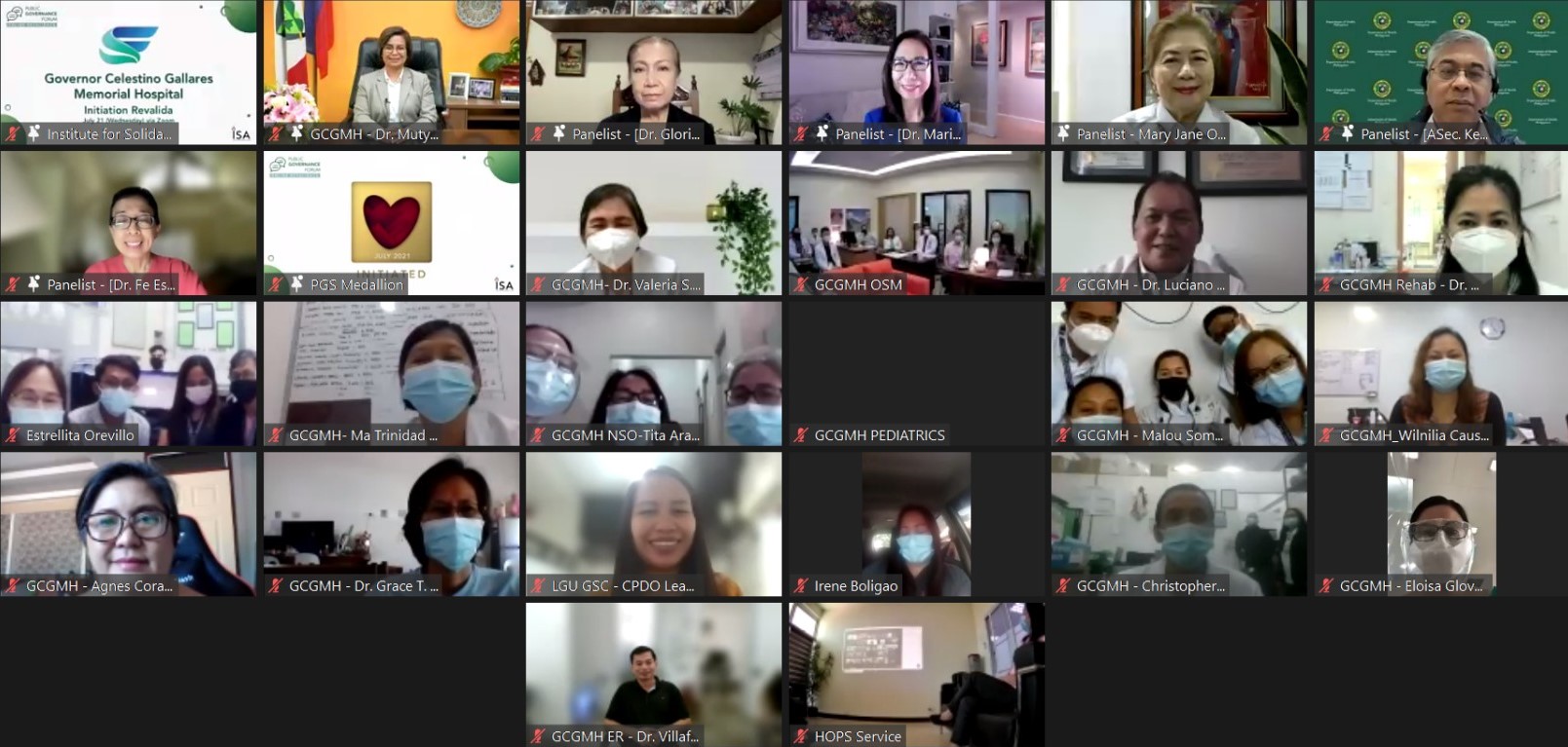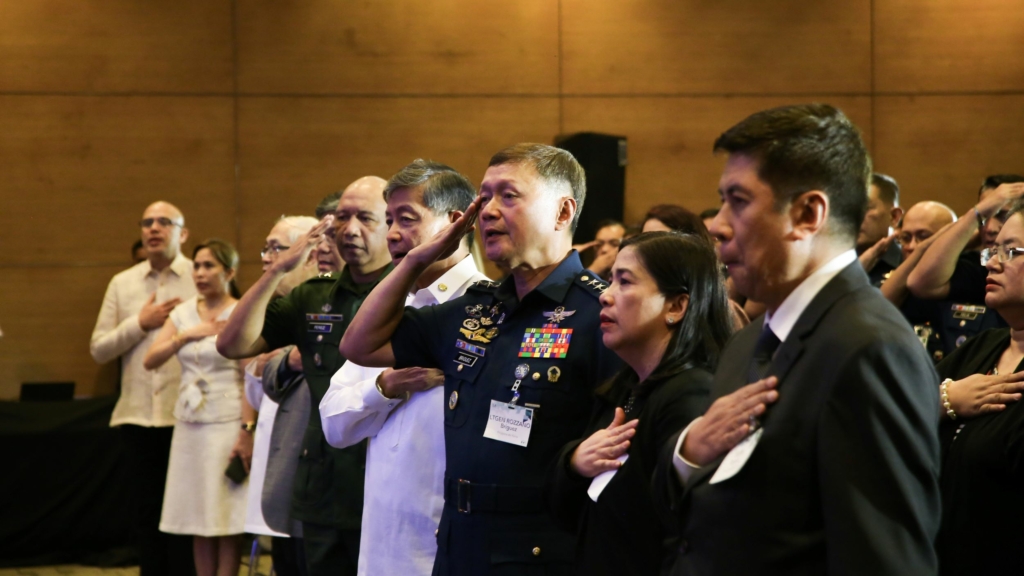


Marking its first recognition event in line with the Institute for Solidarity in Asia’s (ISA) 25th anniversary this year, five pioneering public institutions from the health and education sectors gathered at the Public Governance Forum (PGF) on June 25, 2025. Held at Novotel Manila in Quezon City, the forum highlighted their groundbreaking reform initiatives and transformative governance strategies.
The PGF is a biannual event organized by ISA that brings together representatives and partners from various sectors of Philippine society to discuss the implementation and practice of transformative governance in public institutions. It serves as a democratic mechanism to authenticate and evaluate the accomplishments in each phase along the Performance Governance System (PGS), ISA’s good governance framework, aiding public institutions in achieving their goals despite disruptions through long-term governance reforms.
The event convened 131 delegates, including reform champions, leaders, and industry experts, from across the nation. Of the five participating organizations, spanning the public healthcare, research, and education sectors, four were vying for the Initiation Stage: Cotabato Sanitarium and General Hospital (CSGH), Department of Education (DepEd) Region III, Department of Health Treatment and Rehabilitation Center – Argao (DOH TRC Argao), and the Research Institute for Tropical Medicine (RITM). Meanwhile, Saint Anthony Mother and Child Hospital (SAMCH) presented in the Public Revalida as the sole organization seeking the Compliance Stage.
Milestone moments in a milestone year
Made special by the 25th anniversary of ISA, this year’s first PGF anchored its presenters and attendees to a deeper understanding of the advocacy before stepping onto the revalida stage. The event featured a roundtable discussion titled, “Making the Vision a Reality: The Government Sector’s Role in ‘ISAng Bansa, ISAng Pangarap’”, which explored the critical role of government in shaping a unified nation and realizing the dream of a better Philippines. The discussion also reflected on the National Core Values: Maka-Diyos, Maka-Tao, Maka-Kalikasan, and Maka-Bansa, and their place in national development. The panel brought together voices from across sectors, each representing a core value:
- Bishop Israel M. Painit, Resident Bishop of the Davao Episcopal Area, United Methodist Church (Maka-Diyos)
- Judge Maria Amifaith Sarmiento Fider-Reyes (Ret.), Commissioner, Commission on Human Rights (Maka-Tao)
- Atty. Alexander L. Lacson, Trustee of the Institute for Solidarity in Asia (Maka-Bansa)
- Ms. Ann Adeline Dumaliang, Foundation Co-Founder and Managing Trustee of the Masungi Georeserve (Maka-Kalikasan)

The resource speakers delved into various topics, including how the four core national values are shaping sectoral policies; the responsibilities of government departments in realizing these values and their expected contributions; the challenges and impact of public distrust in government and citizens; and the importance of partnerships between government, civil society, and the private sector. Ultimately, when asked how we can foster deeper, values-driven collaborative action between government and citizens, Atty. Lacson emphasized:
“For the collective dream to be achieved, it needs everyone’s participation. Everyone must do their or his share in nation-building. But most important is the people. We give hope to the people by pursuing a collective dream. That’s why it’s very important for us to have that collective dream. It’s like we are looking at the same star. Let’s go there, let’s achieve, let’s attain and reach for that star,” he said.
As part of its commitment to advancing networks of good governance in the healthcare sector, ISA also launched the “OSM Consortium” during the PGF, which brought together Strategy Management Office (OSM) heads from various healthcare partner institutions to encourage peer learning, collaboration, and strategic co-creation.

The launch spotlighted three trailblazing hospitals: Philippine Children’s Medical Center, Bataan General Hospital and Medical Center, and Mariano Marcos Memorial Hospital and Medical Center, all as founding members of a national network of OSM units. The consortium aims to formalize collaboration, strengthen communication, and cultivate shared leadership among healthcare institutions. It also promotes peer learning and mentorship through structured knowledge-sharing and coaching across the stages of PGS implementation, while empowering OSM leaders through leadership development and a transition to a consortium-led governance model.
Taking the stage to share progress
Based in Cebu City, SAMCH, the sole organization proceeding to the second stage of the PGS, began as an extension facility of the Vicente Sotto Memorial Medical Center and was reestablished in 1994 as an independent institution designated as a specialty hospital for obstetrics-gynecology and pediatric care. From being a Level 1 hospital at the beginning of its PGS journey, SAMCH now positions itself as a 100-bed Level 2 specialty hospital with provisional accreditation of OB-GYN residency training and expanded services for Pediatrics in preparation for residency training.

Dr. Juanito T. Tiu, Medical Center Chief II of SAMCH, presented the organization’s significant advancements in patient care and resource management. Strengthened by an improved healthcare team and upgraded services, the hospital recorded a patient volume of 77,630 in 2023 and 55,469 as of October 2024. Referral rates significantly declined from 22% to 6.6%, indicating enhanced capacity to manage complex cases internally. Outpatient services were also expanded, and the hospital received recognition as an Adolescent-Friendly Health Facility, providing HIV/AIDS counseling and screening.
“The adolescent-friendly health facility, we do have a functioning one. We were assigned by the DOH to be a trainer for other facilities to be adolescent-friendly as well,” Dr. Tiu added.
Additionally, the sole PGS-Compliant contender for the PGF also reported a 30.44% increase in its income in 2024, attributed to strengthened performance accountability and regular financial reviews, which, in turn, supported initiatives in digitalization, staff development, and enhanced patient care, among others.
Meanwhile, as the only national research and reference institution among the presenters, RITM’s performance at the Initiation Stage drew particular attention at the first PGF of the year. Established in 1981, RITM was mandated to lead research and programs on infectious diseases, supported by a laboratory wing and a 50-bed hospital. Over the years, it has expanded its facilities to include an animal research unit and the RITM Center for Training in Tropical Infectious Diseases. Today, RITM positions itself as the national public health institute with cutting-edge research capability, leading in the detection, prevention, and control of infectious diseases in the country

As it entered the first stage of the PGS pathway, RITM was tasked with identifying strategic deliverables across its Core and Support Roadmaps to advance its strategic positioning by 2028. RITM Director IV, Atty. Ana Liza Hombrado Duran presented these Core Roadmaps, namely, Detection, Response, Research, Training, and Safety. Under Detection, RITM aims to strengthen its ability to identify public health events caused by novel, unknown, or emerging pathogens. For Response, it will track training programs on infectious and tropical diseases, neglected tropical disease services, and biological production. In the area of Research, the focus is on the number of policy briefs endorsed by the DOH. The Training roadmap covers the certification and training of healthcare professionals through the RITM Training Academy. Lastly, the Safety roadmap will be measured through a Safety Index, ensuring a high standard of institutional and operational safety.
When asked about the initial changes brought about by the PGS, Atty. Hombrado Duran shared that the journey has fostered stronger collaboration and unity among the team.
“I came from another hospital and … I had all my challenges because I am not an insider. Because of the PGS journey, I was able to get the trust of all my personnel, [and] we were also able to see that we have a lot to change. Seeing things from a different perspective is a very big challenge, but with PGS, everyone in the institution is on the same boat. With the PGS, we are very positive that we will be able to get 100 percent of all our goals in the next few years,” she said.
Lastly, DepEd Region III, the central administrative body overseeing basic education across Central Luzon, became the sole recipient of the Gold Trailblazer Award at the PGF. Mandated to implement national education policies, standards, and programs in Central Luzon to ensure access to quality, equitable, and inclusive basic education, DepEd Region III aims to become the model region for piloting and scaling evidence-based innovations that improve student learning outcomes by 2028.

In pursuit of PGS Initiation Status, the office has adopted several key transformation roadmaps that outline a clear trajectory of deliverables from 2025 to 2028, focusing on Learner Success and Future Readiness, Human Resource Development, Learner Well-Being, Research Management and Policy Advocacy, Field Support and Capacity Development, and Institutional Efficiency and Governance.
When asked by the panel how they ensure that their efforts are grounded and truly felt by children and the community, Regional Director Mr. Ronnie S. Mallari explained that concrete mechanisms for measuring progress are in place to ensure impact.
“Una, we have our management committee meeting at the national level and the regional level so those things are tackled. Second, in our region, we are having our scientific way to review performance. This is explicit in your handout, the outcome review management activity is being done to check whether the measures are achieved quantitatively,” he explained.
Closing reflections
To close the event, ISA Chief Executive Officer Mr. Evarsito “Titoy” Francisco, Jr. underscored the impact of transformation efforts led by public institutions, emphasizing that these are not just technical reforms, but lifelines for ordinary Filipinos.
“Let us not forget that behind every milestone and reform are real people: Filipino families, students, patients, frontliners, and workers, whose daily lives are made better because of the systems you’ve strengthened, the programs you’ve reimagined, and the services you’ve improved,” he said.
“Together, let us continue building momentum toward our shared vision of a Dream Philippines, where no Filipino is left behind, and where public service is always a source of hope.”
The Institute for Solidarity in Asia (ISA) is a non-partisan, non-profit governance reform organization that envisions a Dream Philippines where every government institution delivers and every citizen participates and prospers.